
Preventing Ear Wax Buildup and Keeping Your Ears Healthy
Believe it or not, your ears have a self-cleaning system. Unfortunately, it does not come with a satisfying “deep clean” button—and reaching for a cotton swab can interfere with the whole operation.
If you have been searching for ear wax removal in Toronto, you may be wondering whether there is a way to stop that plugged feeling from returning. The answer starts with understanding what earwax is actually doing in there.
Earwax deserves a little credit
Earwax, also called cerumen, helps protect and lubricate the ear canal. It traps debris, and usually works its way towards the opening naturally. A little wax is normal. The goal is a comfortable, healthy ear, rather than an ear canal scrubbed spotless.
What Causes Ear Wax to Build Up?
Your ears usually handle earwax well, but occasionally something gets congested somewhere in the system. Earwax accumulates when wax gets stuck in the ear canal faster than it can be pushed out. A number of daily habits and physical circumstances can cause:
- Cotton swabs: Cotton swabs can force wax deeper into the ear canal, compressing it and making it harder to remove.
- Hearing aids and earbuds: Devices placed in the ear can disrupt the natural flow of earwax, making it more prone to accumulation in some individuals.
- Narrow or hairy ear canals: Smaller ear canals or excess hair can make it harder for earwax to move out naturally.
- Aging: As we get older, earwax tends to become drier and harder, which can make natural removal less effective.
- Excess earwax production: Some people naturally produce more earwax than others, increasing their chances of developing a blockage.
- Skin conditions: Conditions such as eczema and psoriasis can affect the skin inside the ear canal and contribute to debris or wax accumulation.
Earwax doesn’t accumulate the same way in everyone. Knowing what is adding to yours can help you make better ear-care choices and know when expert help might be needed.
Put the cotton swabs down!
Cotton swabs can push ear wax deeper into the ear canal and cause injury to the canal itself, or the eardrum. The same caution applies to hairpins, ear scoops and other objects that seem perfectly sized for the job. Their ability to fit inside your ear is not a qualification.
For everyday cleaning, gently wipe the outer ear with a soft cloth. Leave the inside of the canal alone.
Give your hearing aids some attention
If you wear hearing aids, follow the recommended cleaning routine and check the wax guards. A blocked wax guard can make a hearing aid sound weak, which can be mistaken for a change in hearing.
Keep earbuds and reusable earplugs clean according to their instructions, too. If you repeatedly develop blockages, ask an audiologist about an individual ear-check schedule rather than adopting a frequent cleaning routine on your own.
Be selective about drops
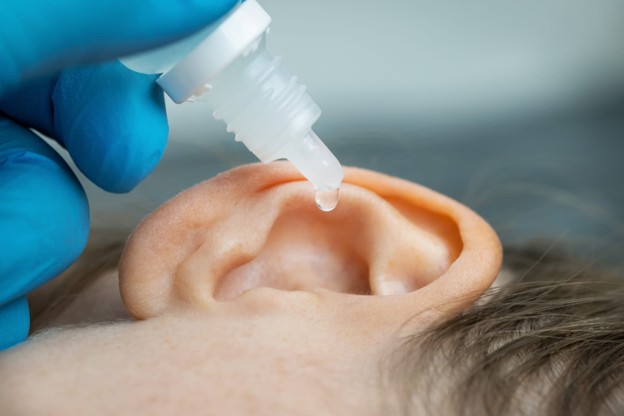
Wax-softening drops can help some people, but they are not suitable for every ear. Get advice first if you have pressure equalizing tubes (PET), a known or suspected eardrum perforation, previous ear surgery, pain or drainage. Avoid ear candles: they can cause injury and are not an effective or medically recognized ear wax-removal method.
7 Tips to Prevent Ear Wax Buildup
You don’t need an elaborate ear-cleaning routine to keep your ears healthy. In fact, when it comes to earwax, less is often better.
Here are seven simple habits that can help reduce the likelihood of troublesome buildup.
- Stop using cotton swabs inside the ear canal. They can push wax deeper into the ear, turning a small amount of wax into a stubborn blockage.
- Clean only the outer ear with a washcloth. A soft, damp cloth removes visible dirt and excess wax without disturbing the ear’s natural cleaning process.
- Use earwax-softening drops occasionally, if recommended. A healthcare professional may suggest suitable drops to help soften stubborn wax, depending on your ear health and medical history.
- Clean hearing aids and earbuds regularly. Keeping these devices and their wax guards clean helps prevent wax-related device problems and supports good ear hygiene.
- Give your ears breaks from earbuds. Regular breaks reduce prolonged ear canal blockage and may support wax’s natural outward movement.
- Keep your ears dry after swimming. Gently drying the outer ears helps prevent moisture-related irritation, though it doesn’t directly prevent earwax production.
- Book routine professional ear checks if you are prone to buildup. An audiologist can monitor recurring wax accumulation and recommend an appropriate examination schedule based on your needs.
The secret isn’t to remove every trace of earwax. It’s to give your ears the best chance to do their job naturally while avoiding habits that can worsen blockages.
Know when prevention needs a helping hand
A plugged sensation, reduced hearing or irritation deserves a closer look. These symptoms do not prove that wax is the cause. Seek prompt medical assessment for pain or discharge, and same-day medical care for a sudden drop in hearing.
If you are looking for ear wax cleaning in Toronto, our team at Toronto Hearing Health Clinic can examine your ears, determine whether wax is contributing and discuss appropriate removal. Sometimes the most useful ear-care habit is knowing when to let someone take a look. Book your appointment today!
Professional Ear Wax Removal in Toronto
Even the most effective ear-care practices can’t always prevent a blockage. If your ears feel continually clogged or your hearing sounds muffled, professional ear wax removal can help determine whether excess wax is the cause.
At Toronto Hearing Health Clinic, our audiologists provide professional ear wax cleaning using methods selected according to your ear health and the condition of the wax.
Depending on your needs, treatment may involve:
- Microsuction: A specialized suction device carefully removes excess earwax from the ear canal without using water.
- Irrigation: A controlled, low-pressure water flow helps flush out accumulated wax when appropriate.
- Manual earwax removal: An audiologist uses specialized instruments to gently remove accessible wax while carefully viewing the ear canal.
What Happens During an Ear Wax Removal Appointment?
Your appointment begins with an ear exam to check for excess wax and determine whether removal is necessary. Your audiologist will assess the location and consistency of the wax, review relevant ear-health concerns and recommend a suitable removal method.
In some cases, wax-softening drops may be used to make removal easier and more comfortable. If removal isn’t suitable or another condition may be causing your symptoms, your audiologist can recommend the next steps.
Want to understand the options before your visit? Explore our ear wax removal services in Toronto or read our related article, How Is Ear Wax Removed from the Ear?.
Book Your Ear Wax Removal Appointment in Toronto
Located in the Forest Hill neighbourhood of Midtown Toronto, Toronto Hearing Health Clinic welcomes patients from surrounding areas, including Eglinton West, Chaplin Estates, Allenby and nearby Toronto communities.
Whether you’re dealing with recurring earwax buildup or an uncomfortable plugged sensation, our team can examine your ears and help determine the next step.
Key Takeaways: How to Prevent Earwax Buildup
- Earwax is natural and protective: Healthy ears usually move wax outward on their own, so routine deep cleaning is unnecessary.
- Avoid inserting objects into your ears: Cotton swabs and ear-cleaning tools can push wax deeper and increase the risk of blockage or injury.
- Clean the outer ear: Practice gentle ear care, keep hearing aids and earbuds clean, and use wax-softening drops only when necessary.
- Have a professional evaluate persistent symptoms: An audiologist may test for wax and advise on safe removal when needed; sudden hearing loss needs immediate medical attention.
FAQs
- Is it bad to clean your ears with cotton swabs?
Yes. Cotton swabs can push earwax deeper into the canal, causing blockages or damage. Wipe the outside ear with a soft cloth.
- How can I naturally prevent earwax buildup?
Let your ears clean themselves naturally. Avoid inserting objects into the ear canal, gently clean the outer ear and take breaks from earbuds.
- Do hearing aids cause more earwax?
Hearing aids can interfere with the natural movement of earwax, increasing the risk of buildup. Regular device cleaning and professional ear checks can help.
- How do I know if my ears are blocked with wax?
Common symptoms include muffled hearing, ear fullness, itching and ringing. An audiologist can examine your ears to confirm whether wax is the cause.
- Is ear candling safe?
No. Ear candling is ineffective and may cause burns, blockages, or eardrum damage. A safer option is professional earwax removal.
- How much does ear wax removal cost in Toronto?
Prices vary depending on the treatment required. Contact Toronto Hearing Health Clinic for the exact costs. Some private insurance plans may cover eligible services.
- Can I use olive oil or ear drops to prevent buildup?
Softening drops may help some people, but they aren’t always necessary. Avoid using them if you have an ear infection or a perforated eardrum unless a healthcare professional advises otherwise.
Are you in the Forest Hill or Toronto area, and have questions or concerns about your hearing? Stop by Toronto Hearing Health Clinic, we would love to help!