










Your Complete Hearing Aid Buying Guide for Toronto

Deciding to buy hearing aids is one of the most important steps you can take for your hearing health and overall quality of life. However, with the multiple options available at varied prices, the process can become overwhelming. There are many brands, technology levels, styles, and clinics to consider, and sometimes knowing where to begin can be challenging.

Let us take you through each step of the process: how to identify the symptoms of hearing loss and find the right hearing clinic in Toronto, how the hearing aid process works, and how to take care of your devices in the long run so that you have the best buy in hearing aids.

Our aim at Toronto Hearing Health Clinic is to ensure that you feel informed, confident and supported right from your first visit.

Understand What Hearing Aids Can and Cannot Do

Always begin with realistic expectations before you buy hearing aids. Hearing aids are not a cure for hearing loss, nor will they completely restore your hearing, but they are advanced medical devices that can make a big difference in your everyday life.

They will do this by making sounds easier to understand, reducing the effort of listening, and enabling you to follow conversations more easily in the situations that are most important to you.

Key Takeaway: Hearing aids can significantly improve your hearing experience and quality of life, but you need to be committed to the process and give your brain time to adapt.

The Earlier You Act, the Better Your Results

Timing is one of the most important factors to consider before you buy hearing aids. The sooner hearing loss is addressed, the better it is for the brain. The ears and the brain are closely connected, and when the ears pick up fewer sounds due to hearing loss, the brain receives less auditory stimulation. Over time, reduced input to the auditory cortex can lead to changes in its function, as it is receiving less information. Research has shown this may be associated with an increased risk of cognitive decline, and it can also make it more difficult to adjust to sounds once they are reintroduced through hearing aids. Simply put, the brain may have greater difficulty processing sounds clearly if the auditory system does not receive adequate stimulation over time. 

The longer you ignore your hearing loss, the more difficult it can be to make your brain adjust to the sound, which is amplified when you finally start wearing hearing aids. Timely intervention is always beneficial; results improve, and the listening experience is more natural.

If you have noticed changes in your hearing, ask people to repeat things, turn the television volume up, or are unable to hear conversations in noisy environments, it is high time you consult a reliable hearing clinic in Toronto.

Key Takeaway: Stop the wait. The sooner you seek assistance, the more likely you will have a successful and smooth hearing aid experience, and the better it is for the brain!

How to Choose the Right Hearing Clinic in Toronto

The hearing clinic in Toronto you choose has a direct impact on your success with hearing aids.  Every clinic follows its individualized approach. Knowing the differences may help you with the best buy of hearing aids.

Independent Clinics

Independent clinics, such as the Toronto Hearing Health Clinic, work with various hearing aid manufacturers and make recommendations based solely on your hearing needs, lifestyle, and preferences. You can expect patient centered and personalized hearing care at every visit.

Manufacturer-Owned Chain Clinics

These are clinics owned by a particular hearing aid manufacturer that sell the manufacturer’s products exclusively. Your options could be limited as brand specific recommendations limit your device recommendations.

Wholesale Dispensers

Similar to manufacturer owned clinics, the brands and models available at a wholesale dispenser are usually limited and different from what might be dispensed at private practices and manufacturer owned chains. Wait times may also be high, and the likelihood of continuous clinical care may be delayed reducing overall hearing aid satisfaction.

Online Hearing Aid Clinics

Some online suppliers offer hearing aids at a competitive price point by relying on remote fine-tuning through smartphone applications. While this model may suit highly tech-savvy individuals, it is not ideal for everyone—particularly those with more complex hearing needs or those who benefit from in-person clinical support.

Key Takeaway: If you are looking for a hearing clinic in Toronto, consider independent clinics that offer a wide range of brands, transparent pricing, licensed audiologists, and good after-sales service.

What to Expect From a Hearing Test at Our Clinic

A comprehensive hearing assessment is essential before you buy hearing aids. At Toronto Hearing Health Clinic, our evaluations are conducted in a calibrated sound booth and are designed to provide a complete hearing profile. This comprehensive assessment allows us to select the most appropriate hearing aid technology for your unique hearing profile, supporting your success with hearing aids. When clinically indicated, cognitive screening is included to further guide technology selection, alongside a detailed discussion of your lifestyle and listening needs.

Hearing Aids

Pure Tone Audiometry

Assesses hearing sensitivity across a range of frequencies to establish air- and bone-conduction thresholds, identifying the degree and configuration of hearing loss.

Speech Audiometry

Evaluates speech detection at low intensity levels and speech recognition ability at suprathreshold levels. This includes word recognition testing, which helps determine how well speech is understood in quiet, without visual cues, when presented at an adequate listening level.

Tympanometry

Assesses middle ear function by measuring tympanic membrane mobility and ear canal pressure, helping to identify possible conductive or structural abnormalities.

Speech-in-Noise Testing

Measures speech understanding in the presence of background noise, offering a clinically relevant indication of real-world listening performance and communication difficulty.

Cognitive Screening (when clinically indicated)

Screens cognitive domains including memory, executive function, and visuospatial skills. Findings may help inform hearing aid technology selection, guide treatment planning, and support referrals where appropriate.

With these findings, your audiologist will decide the most suitable hearing aid style and type of technology level that suits your hearing profile.
Key Takeaway: The foundation for choosing the appropriate hearing aids is a thorough hearing test. Ensure that you evaluate all four areas.

When to See a Doctor Before You Buy Hearing Aids

Most of the time, hearing loss is age-related and gradual, and hearing aids are the next step. There are, however, some forms of hearing loss that may require medical evaluation before you buy hearing aids.

Your family physician may refer you to an Ear, Nose, and Throat specialist, and going for a consultation is necessary if you are experiencing any of the following:

  • Sudden or rapid hearing loss in one or both ears
  • Hearing loss in one ear
  • Ear pain, discharge, or bleeding
  • Balance issues, dizziness and hearing loss

These symptoms can indicate medical conditions that needs to be evaluated and treated immediately, and in some cases is considered a medical emergency 

Key Takeaway: If you notice hearing loss that comes with pain, is sudden, or affects one ear, seek an immediate medical evaluation.

How to Choose the Best Hearing Aids for Your Needs

Following completion of the hearing assessment, the next step is selecting the most appropriate hearing aid. At Toronto Hearing Health Clinic, we guide you through the key considerations to ensure an informed and effective decision when you buy hearing aids.

Technology Level
Hearing aids are available in basic, advanced, and premium technology tiers. As technology levels increase, features such as speech-in-noise performance, sound processing, and automatic environmental adaptation become more sophisticated. We use information gathered during your comprehensive hearing evaluation to guide technology selection, including how much support you may require from your hearing aids in background noise, ensuring the recommended level aligns with your listening environments and communication needs. 

Style and Fit
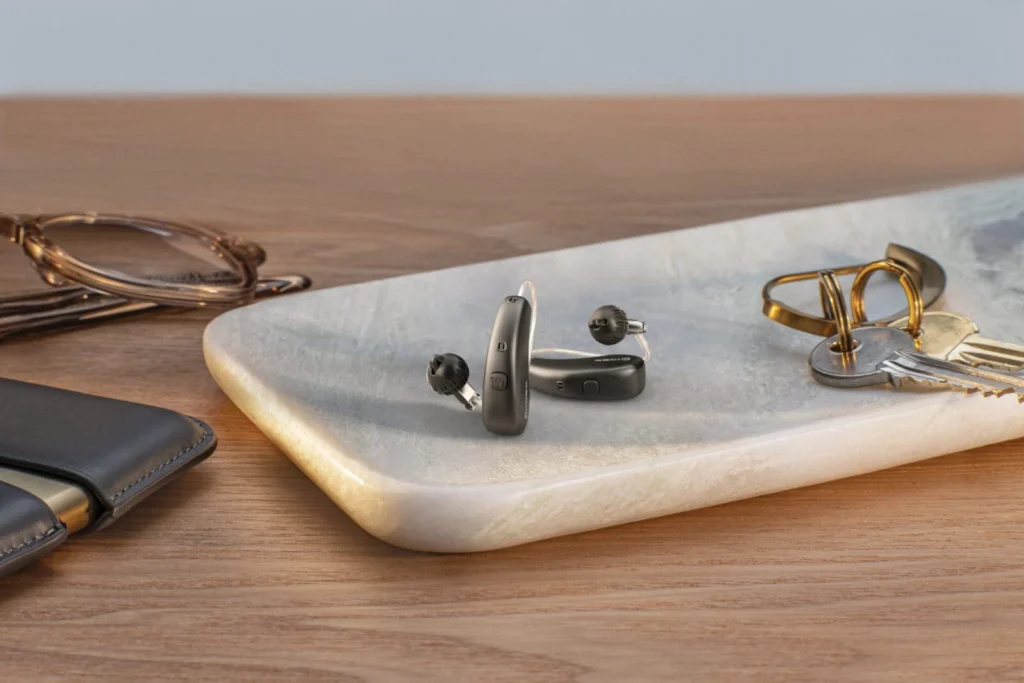
Hearing aids are available in a variety of styles, including Behind-the-Ear, Receiver-in-Canal, In-the-Ear, and Invisible-in-Canal. The appropriate style will be based on the extent of hearing impairment, ear shape, lifestyle, bluetooth requirements and individual preferences on visibility.

Future Flexibility
Hearing needs can change over time. It is important to consider whether the hearing aids can be adjusted to accommodate changes in hearing thresholds and whether there is flexibility within the technology to support evolving listening demands.

Key Takeaway: You should not buy hearing aids based on brand names; instead, consider your hearing test results, everyday listening environment, lifestyle, and budget to make the best buy in hearing aids. Your audiologist at our hearing clinic in Toronto will help you find the right fit.

Try Hearing Aids Before You Commit

One of the most valuable steps before you buy hearing aids is the opportunity to experience them in your everyday environments. At Toronto Hearing Health Clinic, we offer hearing aid trials so you can evaluate how your preferred devices perform at home, at work, and in social settings before making a final decision.

A quick in-clinic demonstration can give you a sense of how a hearing aid sounds, but it’s only part of the picture. The real test happens outside the clinic—during everyday moments like having dinner with family, navigating a busy office, or catching up with friends in a noisy environment.

That’s where the trial period becomes so valuable. As you go about your daily routine, we use your feedback to fine-tune the devices so they better match your listening needs. Over this time, you’ll develop a clear and realistic understanding of how the hearing aids perform in the situations that matter most to you.

Key Takeaway: Trying your hearing aids in real world environments where you spend time gives you an important understanding of how your hearing aids will work for you. A hearing aid trial gives you a clear picture of how the devices will perform in real life, so you can buy hearing aids with confidence.

What to Ask Before You Buy Hearing Aids

Before you make a final decision to buy hearing aids, it’s worth taking a bit of time to review the details of your purchase. Understanding what’s included—and what isn’t—can help you avoid surprises later on and feel more confident in your decision.

When speaking with your hearing clinic in Toronto, here are a few important things to clarify:

Warranty coverage

Most manufacturers include a warranty (often three years). It’s helpful to understand exactly what is covered and for how long.

Loss and damage protection

Some plans include coverage for loss or accidental damage. Ask whether this is included and if any deductible applies.

Included services

Be clear on what follow-up care looks like. Are appointments, adjustments, and hearing assessments included, or billed separately?

Return and upgrade options

It’s important to know your options if the hearing aids don’t meet your expectations or if you’d like to upgrade in the future.

Financing availability

If cost is a consideration, ask about payment plans or financing options that may be available.

Key takeaway: Before you buy hearing aids, make sure you have a clear understanding of warranty coverage, included services, and your options if anything changes. A reputable hearing clinic in Toronto will walk you through these details so you can move forward with clarity and confidence.

What Happens at Your Hearing Aid Fitting

One of the most important steps when you buy hearing aids is the fitting process. This is where your devices are carefully programmed to match your hearing test results and verified to ensure they are performing appropriately.

At Toronto Hearing Health Clinic, each fitting is thorough and personalized, and includes:

Real Ear Measurement Verification
This objective measure confirms that your hearing aids are delivering the precise level of sound your ears require based on your hearing thresholds and prescriptive targets. It is an essential step for accuracy, though not all clinics routinely perform it.

Programming to Your Hearing Profile
Your hearing aids are programmed based on your audiogram, with the fitting and programming tailored specifically to you. Adjustments are made based on your feedback and communication needs to ensure the devices perform optimally in your everyday listening environments. 

Comfort and Fit Assessment
Both the physical fit and sound quality are carefully evaluated and refined to ensure the hearing aids are comfortable and performing appropriately from the start. 

Orientation and Training
You will receive guidance on how to use and care for your hearing aids, including cleaning, maintenance, and any features such as Bluetooth connectivity or app-based controls.

Key takeaway: When you buy hearing aids, the fitting process should include real-ear measurement verification, individualized programming, and hands-on guidance. If these steps are not part of the process, it’s worth asking why.

Ongoing Support After You Buy Hearing Aids

Choosing to buy hearing aids is not a one-time decision, but the beginning of an ongoing process of hearing care. As your brain adapts to new sounds and your listening needs evolve, periodic adjustments are essential to ensure optimal performance.

At Toronto Hearing Health Clinic, our follow-up care is structured to support you at each stage:

  • Two day or one week follow up: A phone check-in or in-person appointment will be scheduled to address any initial questions or comfort concerns. The length of time post-fitting depends on the person’s needs
  • Two weeks post-fitting: An in-clinic visit to review your trial experience and refine programming
  • One or three months later: A follow-up to ensure your hearing aids are performing well across your everyday environments
  • Every six months or as needed thereafter: Ongoing care and monitoring as part of your service plan or as needed

Our hearing clinic in Toronto also remains available during business hours for any concerns that may arise between scheduled visits.

Key takeaway: The standard of a hearing clinic in Toronto is reflected in the quality and accessibility of its follow-up care. Timely support after you buy hearing aids is essential to achieving the best possible outcomes.

How to Care for Your Hearing Aids

A few minutes of daily care can increase the lifespan and performance of your hearing aids. At Toronto Hearing Health Clinic, we instruct each client to properly care for their device during their fitting appointment.

  • Wipe your hearing aids with a soft, dry cloth every day. Do NOT use water, sprays or cleaning agents not labelled as hearing aid cleaners.
  • Change filters frequently, about once per month or as needed, to avoid wax buildup that may alter sound quality.
  • If your hearing aids have domes, change them every month or as needed.
  • Keep your hearing aids in a dry case or their charger overnight, away from humidity and heat.
  • Use a dehumidifier or a dry-aid kit if you live in a humid environment or are active outdoors.
  • Use good-quality batteries. If you still use hearing aid batteries, low-quality batteries can cause internal corrosion and reduce the lifespan of your devices.

Key Takeaway: Daily care will help keep your hearing aids working longer and maintain their functionality between clinic visits.

Keep Up With Annual Hearing Tests

Even after you buy hearing aids, your hearing profile can change over time. Ongoing monitoring through annual assessments at a trusted hearing clinic in Toronto helps ensure your devices remain appropriately programmed and allows for early identification of any changes.

At Toronto Hearing Health Clinic, annual hearing evaluations are included as part of our ongoing care program. If any changes are identified, your audiologist will adjust your hearing aids accordingly to maintain consistent performance across your everyday listening environments.

Key takeaway: Schedule a hearing test at least once per year. Keeping your hearing aids aligned with your current hearing levels is one of the most effective ways to support long-term outcomes.

Your Hearing Aid Buying Checklist

These are some steps to keep in mind before or after you buy hearing aids:

  • Keep realistic expectations. Hearing aids do not completely restore your hearing loss; they only support your hearing by reducing listening effort and cognitive load.
  • Take action promptly. The sooner you treat hearing loss, the better.
  • Choose an independent hearing clinic in Toronto that works with a variety of brands.
  • Ensure that your hearing test includes pure tone testing with air conduction and bone conduction, speech, tympanometric and noise tests. A cognitive screener is also a great addition to a comprehensive assessment which can support your program of care and technology needs
  • Share any underlying medical problems before you arrive at a decision.
  • Select the appropriate level and style of technology depending on your hearing needs, lifestyle and budget.
  • Try your hearing aids in your everyday listening environments before you buy hearing aids.
  • Know the full terms of sale: warranty, services, and money-back policy.
  • Come to your fitting and make sure real ear measurement verification is carried out.
  • Go for follow-up care appointments and keep in touch with your clinic.
  • Wear your hearing aids every day to be the most effective and last as long as possible.
  • Get an annual hearing test to ensure that your devices are adjusted to your hearing.

At Toronto Hearing Health Clinic, we are here to guide you through all these steps, starting with your initial hearing test, all the way to long-term care. If you are willing to buy hearing aids now or just want to know your options, you can make an appointment with our team.

Frequently Asked Questions

A referral is not needed. You can directly visit Toronto Hearing Health Clinic to schedule a complete hearing assessment. Our audiologists will assess your hearing and assist you with all possible choices.

Look for an independent clinic that collaborates with multiple hearing aid brands, employs licensed audiologists, offers transparent pricing, and provides ongoing follow-up support. Checking reviews and inquiring about what the price covers are effective initial steps.

The ideal approach is to begin with an extensive hearing evaluation at a trusted hearing clinic in Toronto, then receive a tailored recommendation and a real-world assessment before making a decision. Refrain from buying hearing aids online without a professional evaluation and fitting.

The initial consultation and hearing examination usually last between 60 and 90 minutes. The appointment for fitting typically lasts 60 minutes. Follow-up visits are brief and concentrate on refinements and modifications.

Yes. At Toronto Hearing Health Clinic, we offer hearing aid trials, allowing you to assess how the devices work in your everyday settings before you decide to buy a hearing aid.

Concentrate on three aspects: the technology level that fits your listening situations, the design that aligns with your hearing impairment and comfort needs, and the expertise of clinical services and ongoing support offered at the cost. Your audiologist at Toronto Hearing Health Clinic will help you weigh all of them.

Many individuals begin to notice improvements within the first few days, but full acclimatization, when heightened sound feels normal, can take up to three months or longer, depending on the individual. During this time, your audiologist will gradually adjust your devices to support the process.

Toronto Hearing Health Clinic can adjust your hearing aids to accommodate changes in your hearing over time. Yearly hearing evaluations are the most effective way to promptly identify any changes and ensure your devices function correctly.

Residents of Ontario with a valid health card and diagnosed hearing loss may qualify for the Assistive Devices Program (ADP), which offers $500 for each hearing aid. Numerous private insurance plans also offer some degree of coverage. Toronto Hearing Health Clinic is a vendor with the Assistive Devices Program through the Ministry of Health and can complete all associated paperwork for the government funding. 

Just schedule your appointment at the Toronto Hearing Health Clinic. A referral is not required. Our audiologists will guide you through a comprehensive hearing evaluation and help you understand your options without any pressure or obligation.

Other Services

    Contact us for your first consultation!


    Contact info

    Toronto Hearing Health Clinic is located in the lower level of the Magenta Health Centre next to Phipps Bakery, inside the Momentum Building

    There is ample complimentary street parking and a Green P (location ID 047) on 125 Burnaby Blvd, behind the Starbucks and Summerhill Market. Please use the code ‘crosstown’ in the Green P Parking App for up to 2 hours of free parking